Case study · Breville · A decade of North American brand building
Breville
Build a product brand by giving people a reason to seek it out.
My role: North American launch · Brand strategy · Content · Partnerships
The challenge
Breville had products worth paying attention to. Building the business in North America meant connecting that product innovation with a clear brand, a useful customer experience and reasons to spend time with the company.
I spent a decade helping launch and grow Breville in the U.S. and Canada. The work connected brand strategy, chefs, filmmakers, product launches and content with the commercial opportunity.
Make the content useful
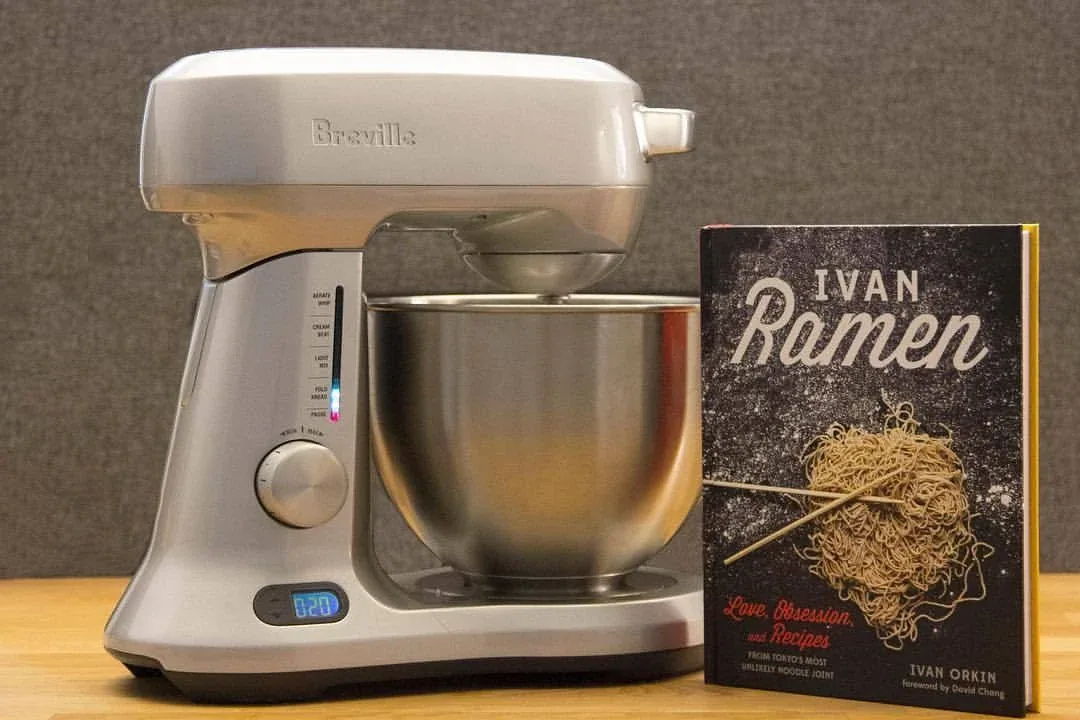
Food Thinkers gave people recipes, demonstrations and ideas that could make the products part of their everyday lives. Chef relationships extended across video, digital publishing, books and events.
The work with The Mind of a Chef created a sustained connection to people interested in the creative process behind food. A five-season partnership included chef demonstrations, product integrations and exclusive programming for Netflix.
Create demand through a story
Fat, Sick & Nearly Dead connected Breville with a film audiences sought out on their own. A joint venture with filmmaker Joe Cross gave the brand a position in the property, while retail screenings, useful content and distribution extended its reach.
Breville’s Make It Vegan collaboration with cookbook author Isa Chandra Moskowitz carried the approach into ovens and blenders, with video, a recipe ebook and an original theme song by R. Ring. That series generated more than two million organic views.
The business context
By 2015, Breville’s North American business reported $250 million in sales and $44 million in EBITDA. Those figures describe the overall business at the time. Fat, Sick & Nearly Dead was credited with $75 million in incremental revenue and a 70 percent share of the juicer category.
The throughline was a brand people could recognize across the product, the content and the places they encountered it. Each part made the others more useful.
More work

Start a conversation